
Be honest: how many times have you gotten to the last week of the month and scrambled to throw together a promotion just to have something to send? Or realized halfway through October that you never planned anything for the holiday season? Or looked at your Instagram, your email, and your paid ads and noticed they all seem to be promoting three completely different things?
That’s not a content problem, that’s a planning problem, and we have a solution.
An annual marketing and promotional calendar is exactly what it sounds like: a full 12-month roadmap that maps out every campaign, promotion, event, product launch, and content theme for your practice. Planned, aligned across every channel, and built around your actual business goals.
What Goes Into an Annual Marketing Calendar
An annual marketing calendar isn’t just a list of promotions. It’s a comprehensive plan that maps out every element of your marketing across a full year so nothing gets missed and everything works together.
Here’s what it typically includes:
- Monthly promotional themes and offers planned so you’re never pulling a discount together at midnight on the last day of the month
- Seasonal campaigns summer body treatments, bridal season, holiday gifting campaigns all mapped out before the season hits
- Awareness months and industry moments Skin Cancer Awareness Month, Hair Loss Awareness Month, National Botox Day, March Madness, and more.
- New treatment and product launches a full campaign plan for when something new comes into the practice, not a last-minute Instagram post the day it arrives
- New provider introductions so patients meet and trust a new team member before they’re expected to book with them
- Quarterly events open houses, VIP nights, patient appreciation events all mapped with enough lead time to actually promote them
- Slower month strategies knowing which months tend to be quieter and having a proactive plan to fill the schedule rather than reacting to a dip
- Content themes by channel social media, email, blog, and paid ads all aligned to the same message each month
- Content shoot dates scheduled in advance so there’s always fresh, strategy-ready content to pull from.
The Real Power of an Annual Calendar: Everything Works Together
An annual marketing calendar doesn’t just organize your promotions. It aligns every single marketing channel around the same message at the same time.
When your social media, your email, your blog, and your ads are all saying something different, patients get a fragmented experience. They see a Botox special on Instagram, get an email about skin care products, read a blog about body contouring, and see a paid ad promoting a different treatment entirely. None of it connects. None of it builds momentum. And you end up spending a lot of time and money on marketing that doesn’t compound.
When every channel feeds into the same theme and goal? That’s when marketing actually starts to move the needle.
A Real Example: Hair Loss Awareness Month
Let’s say you’re a dermatologist with a med spa, and August is Hair Loss Awareness Month. Here’s what a cohesive, calendar-driven marketing month looks like versus scrambled marketing:
| Channel | Without a Calendar | With a Calendar (Hair Loss Month) |
|---|---|---|
| Social Media | Random mix of filler posts, before/afters, product shots nothing connects | Cosmetic vs. medical hair loss options • PRP hair restoration content • At what age to start preventative treatment • Patient before/after and testimonial • Educational reels on causes of hair loss |
| A general newsletter with no real theme or offer | Dedicated campaign: ‘Is hair loss affecting your confidence?’ education, treatment options, patient story, CTA to book a hair loss consultation | |
| Blog | Whatever topic someone had time to write about | ‘PRP for Hair Loss: What to Expect’ • ‘Cosmetic vs. Medical Causes of Hair Thinning’ both SEO-optimized and linked from social and email |
| Paid Ads | Running the same general awareness ad from three months ago | Retargeting anyone who engaged with hair loss content driving them to a landing page for a complimentary hair loss consultation |
| Promotion | Scrambled discount created the week of, barely promoted | ‘Book your hair loss consultation in August and receive a complimentary scalp analysis’ promoted across all channels from day one of the month |
See the difference? In the second column, every single touchpoint reinforces the same message. A patient who sees your Instagram reel about PRP also gets your email about hair loss that week. They click through to a blog post that answers their questions. They see a retargeting ad that invites them to book a consultation. That’s not luck, that’s strategy.
Don’t Forget: Slower Months Need a Plan Too
One of the most overlooked benefits of an annual marketing calendar is what it does for your slower months. Most practices know which months tend to dip, January after the holiday rush, late summer when families are focused on back-to-school, the quiet weeks between major seasonal campaigns.
Without a calendar, those months tend to get reactive: scramble for a promotion, discount something just to drive traffic, throw a last-minute offer together and hope it lands. With a calendar, those months are planned for. You know they’re coming. You have a strategy ready.
- January New year, new skin. Pre-planned skin refresh campaigns, membership or package promotions, skincare resolution content all lined up before December ends.
- Late summer Fall prep campaigns. Laser treatments, pigmentation work, anything best started before fall. Planned and promoted in August, not September.
- Post-holiday Reactivation campaigns to win back patients who haven’t been in since the rush. Built into the calendar so they go out automatically.
A slow month isn’t bad luck, it’s a missed planning opportunity. The calendar makes sure you see it coming and have something ready.
How to Start Building Your Own Annual Marketing Calendar
If you want to build one yourself, here’s a practical starting framework. It doesn’t have to be complicated to be effective… it just has to exist.
- Identify launches, events, and seasonal demand. Before anything else, map the moments that are already fixed: major holidays, your historically slower months, any events you know are coming, any treatments or providers you plan to add to the practice this year. These anchor the whole calendar.
- Layer in awareness months relevant to your specialty. Look up the awareness calendar for your specific mix of services. Skin Cancer Awareness Month (May), Hair Loss Awareness Month (August), Breast Cancer Awareness Month (October if you offer lymphatic treatments), pick the ones that genuinely align with what you offer and build content themes around them.
- Assign a primary theme to each month. One main focus per month keeps everything cohesive. It doesn’t mean every single piece of content is about that one thing, but it gives your marketing a through-line that patients can follow.
- Map each theme across your channels. For each month, ask: what does this look like on social? What does the email campaign say? Is there a blog topic that supports it? Does it warrant a paid push? This is the step that turns a promotion into a campaign.
- Plan your promotions with enough lead time to actually promote them. A promotion that goes live on the first of the month needs to be created and scheduled in the weeks before. Build that prep time into the calendar itself.
- Schedule content shoot dates. Content needs to be captured before it can be distributed. Map your shoot dates to your upcoming campaign themes so you always have the right visuals ready when you need them.
- Build in flexibility. A great calendar isn’t rigid, it’s a foundation. Leave room to pivot when a trend hits, when a treatment result is worth highlighting immediately, or when something unexpected comes up. The plan exists so you’re not starting from scratch every time something changes.
Why Your Marketing Calendar Matters to Every Agency You Work With
Here’s something worth saying if you work with any external marketing partners: a social media agency, an email team, a paid ads manager, or an SEO firm. All of them do better work when they know what’s coming.
When The Aesthetic Edition works with a client who has a solid annual marketing calendar in place, the entire execution changes. There’s no guessing about what’s coming next month. No scrambling to create holiday content the week of the holiday. No misalignment between what social media is saying and what the email team is promoting. Everyone is working from the same roadmap, and the result is marketing that feels seamless to the patient, even if it’s being executed by multiple people behind the scenes.
If you currently work with multiple vendors and your marketing feels disconnected, a shared annual calendar is often the missing link.

Want the Calendar Built for You?
Building a solid annual marketing calendar takes time, industry knowledge, and an honest look at your practice’s goals, seasonality, and competitive landscape. The Aesthetic Edition offers Annual Marketing Plan development as a standalone service. You will receive a fully custom, 12-month roadmap built around your specific practice, your services, your promotions, and your channels along with a meeting to teach you how to actually utilize it.
Ready to stop scrambling and start planning? Book a discovery call and let’s build your roadmap.
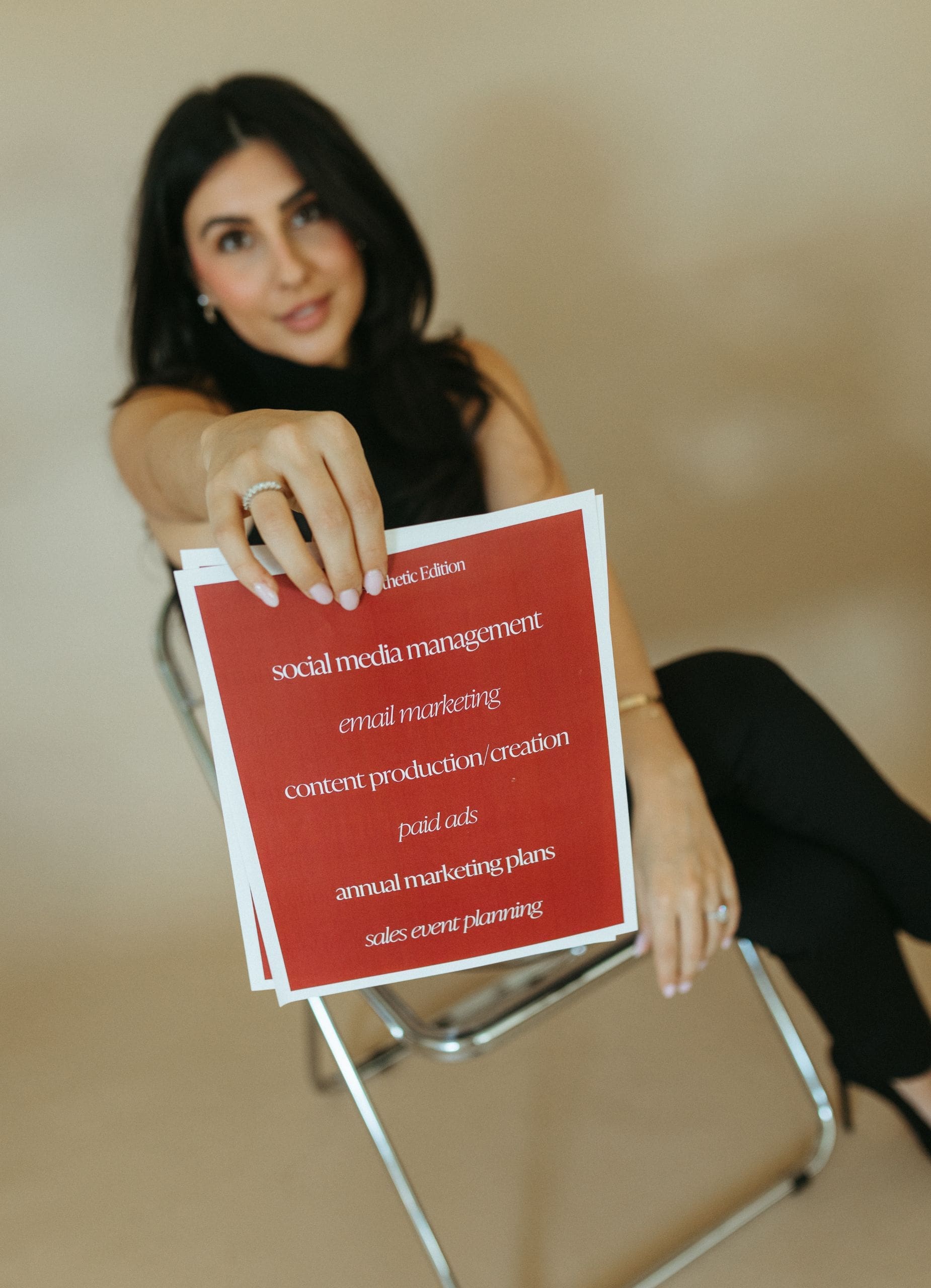
If this blog sparked ideas or inspired you to level up, it might be time to talk. This is just the tip of the syringe. Imagine the strategy, creativity, and results we bring to our clients behind the scenes.
Inquire with us and let's build your dream marketing plan.


